Should your Shopify welcome flow ask for an SMS opt-in before offering a discount?
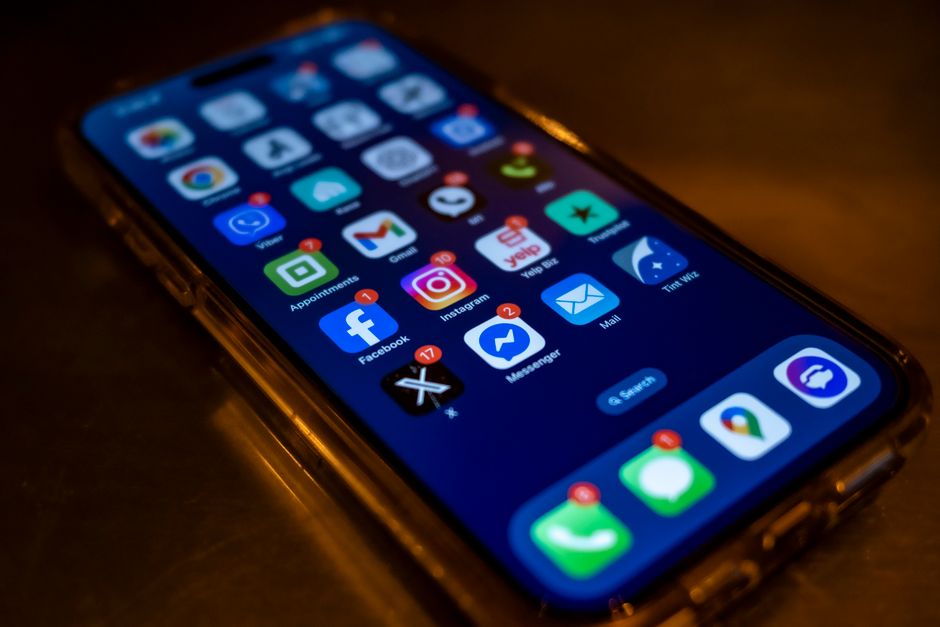
Someone joins your email list because they want the offer you showed them. Then the next screen asks for their phone number before revealing it.
That can work. But it adds a second decision at the point where a visitor expected a simple exchange: their email for a discount.
For most Shopify stores, don’t make SMS opt-in a gate before an email discount. Send the email offer after email consent. Ask for SMS consent separately, with a clear reason to join.
That keeps your welcome flow easier to understand. It also matches how consent works.
Email consent and SMS consent are different
An email subscriber has not agreed to receive marketing texts.
Shopify says email marketing consent does not apply to SMS marketing. A customer must specifically opt in to SMS. At checkout, Shopify’s SMS marketing checkbox also can’t be preselected. The customer needs to make that choice themselves.
So an email signup form gives you an email contact. It does not give you an SMS contact.
That sounds obvious, but it changes how you should build the flow. Your email welcome flow should not assume a phone number or SMS permission exists. Your SMS flow should not start until both are present.
In Sentira, this is where one customer profile helps. You can see the same person’s email status, phone number, SMS consent, purchase history, and flow activity in one place. But a unified profile should not blur channel consent. The profile can be unified while the permissions remain separate.
Don’t turn an email offer into a phone-number test
Shopify’s own email welcome automation sends a discount email after someone subscribes through an online-store form. Its listed channel is Email.
There is no Shopify requirement that says you must collect SMS consent before showing or sending that email offer. The same is true in the documented approaches from Klaviyo and Attentive: they support separate channel journeys and separate consent.
A practical default looks like this:
- A visitor enters their email address.
- They receive the promised email discount.
- Your welcome email includes an optional SMS invitation.
- If they later opt into SMS, they enter the SMS welcome flow.
This respects what they signed up for. It also gives you a cleaner read on performance. You can see whether the email form is working before adding a second field, consent step, or offer.
When an SMS offer makes sense
A discount can be a valid reason for someone to join your SMS list. Shopify notes that discounts and coupons are common reasons people sign up for marketing texts.
The important distinction is the offer itself.
You might say:
Join text updates for early access and a welcome code.
That is an SMS signup offer. The customer can decide whether texts are worth it.
That is different from saying:
Enter your phone number to see the email discount you already requested.
The first gives the customer a separate choice. The second makes the original email offer feel conditional, even if you eventually send it.
For U.S. marketing texts, the FCC says prior express written consent for autodialed advertising or telemarketing texts must identify the recipient’s number and cannot be conditioned on a purchase. Your signup wording, consent records, and local requirements deserve a careful review before you send campaigns.
Keep the consent language clear. Don’t pre-check a box. Don’t treat an email address as text permission.
Build two welcome paths, not one tangled path
A clean setup has two entry points.
Email welcome flow
Start this when someone gives email marketing consent.
Send the promised offer in the first email if that is what your form promised. Then use the next messages to help them choose a product, understand shipping or returns, or see what makes the store useful.
If the person has not opted into SMS, you can include an SMS invitation in an email later in the flow. Klaviyo documents this approach: check whether a profile can receive SMS marketing, then show the invitation only to people without SMS consent.
In Sentira, build this as a segment condition rather than sending the invitation to everyone. Someone who already receives texts does not need another invitation.
SMS welcome flow
Start this only after SMS consent exists.
The first text does not have to contain a discount. It can confirm what the subscriber joined for and set expectations.
If you do use a discount, you have options:
- Send it in the first SMS as the signup incentive.
- Send it after a short introduction.
- Reserve it for subscribers who have not purchased.
Klaviyo’s SMS guidance allows merchants to offer a discount in a second or third SMS for subscribers who have not purchased. Its email welcome guidance also describes sending a coupon later only to people who have not bought since entering the flow.
That last option is worth considering if you discount too quickly. Some people will buy after the first welcome message without a code. A purchase check before the coupon can keep you from sending a discount to someone who already converted.
Check the cost of the extra step
Every SMS opt-in has a cost beyond the offer.
For U.S. merchants using Shopify Messaging, SMS messages cost $0.012 each. Approved toll-free numbers have a monthly charge, and confirmation and double-opt-in messages are also billable.
That does not mean SMS is a bad channel. It means your flow should have a reason for every message.
Before adding a phone field to your email popup, ask:
- What will subscribers receive by text that email does not already cover?
- Is the SMS offer different from the email offer?
- Will the customer see clear consent language before submitting?
- Does your SMS flow stop discounts after a purchase?
- Are you measuring email signup and SMS signup separately?
You can check the first part in under a minute. Open your current signup form on a phone. Read it as a customer would. Can you tell which messages you are agreeing to receive? Can you get the email offer without entering a phone number?
If the answer is unclear, simplify it.
A sensible default for Sentira
Start with the promise you made.
If your form offers an email discount, send the email discount after email signup. Use a later email to invite SMS opt-in, or run a separate SMS signup form with its own value exchange.
Then let Sentira’s unified profile and segment builder handle the branching:
- Email-consented, not SMS-consented: receive the email welcome path and an optional SMS invitation.
- SMS-consented: receive the SMS welcome path.
- Purchased since entering the flow: stop or skip the unused discount.
- Unsubscribed from either channel: remove that channel from future sends.
You do not need to make every subscriber take the same route. Let people choose the channel they want, then send messages that match that choice.
Sources
- Shopify: Create marketing automations
- Shopify: SMS deliverability
- Shopify: Checkout form options
- Klaviyo: Create an email welcome flow
- Klaviyo: Create a combined email and SMS welcome flow
- Klaviyo: Create an SMS welcome flow
- Attentive: Create a welcome journey
- Shopify: SMS marketing
- FCC order on prior express written consent
- Shopify: SMS pricing